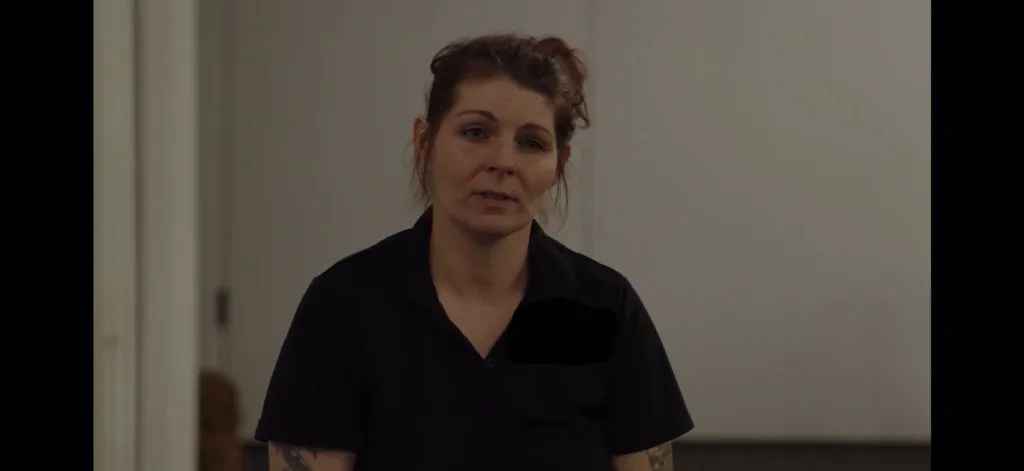
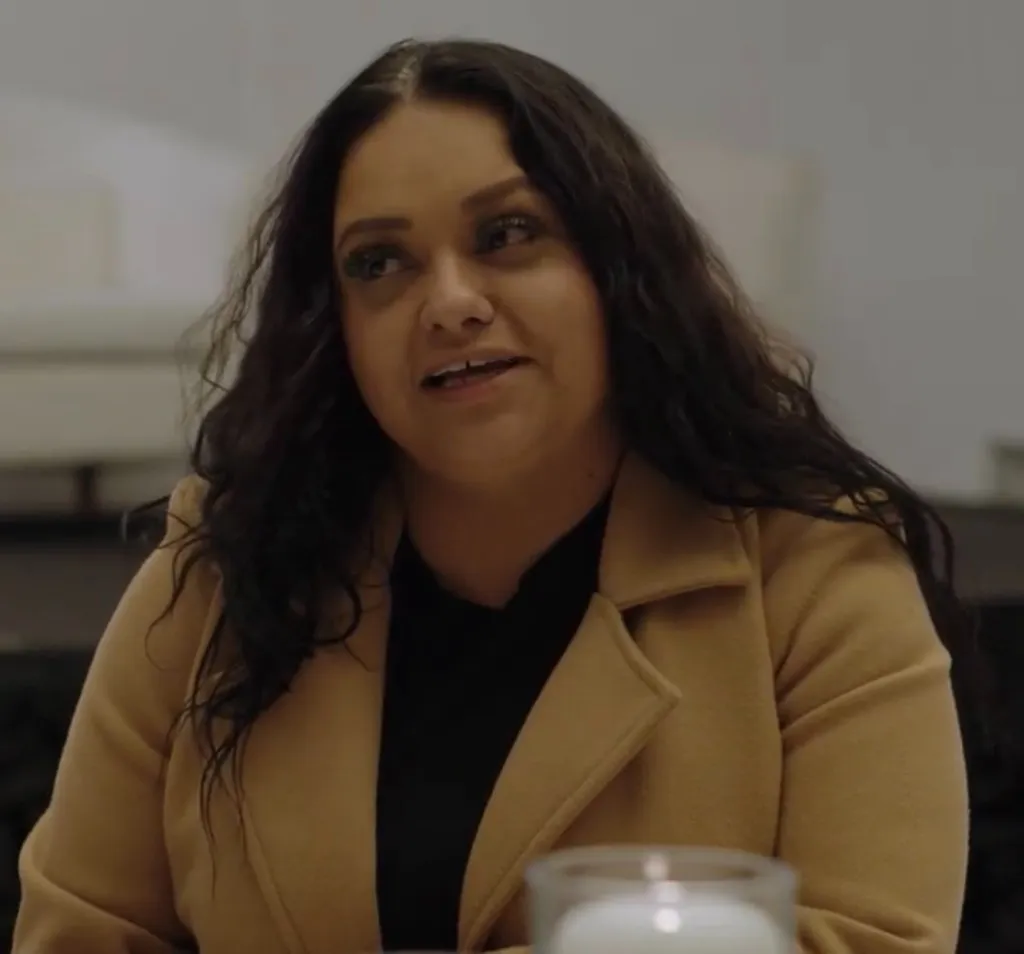
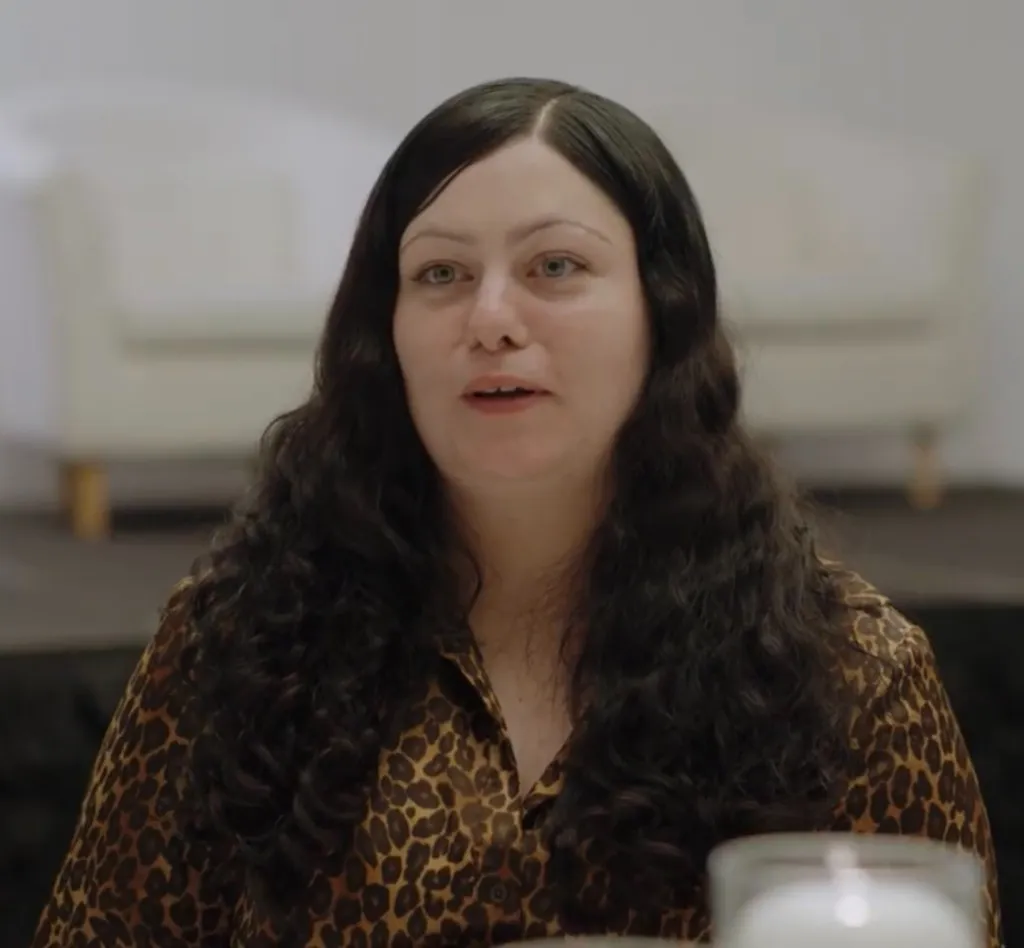
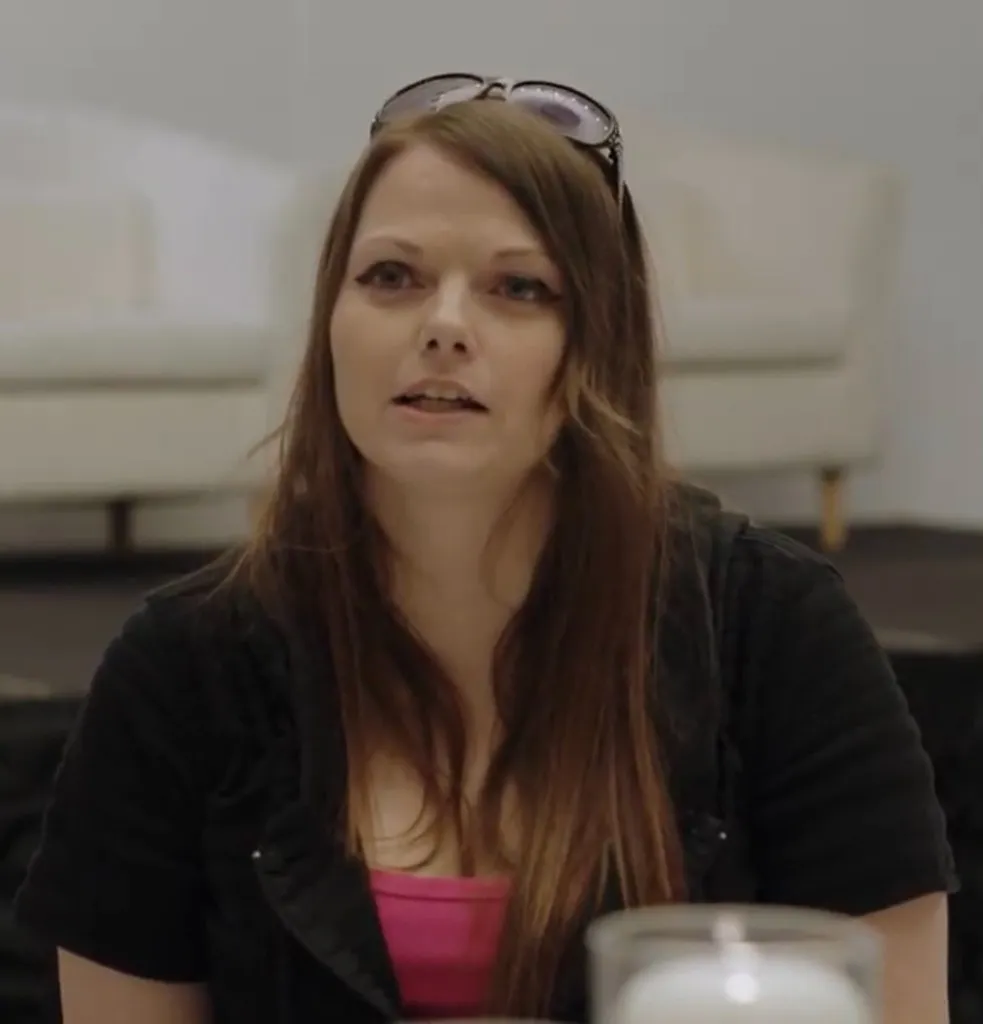
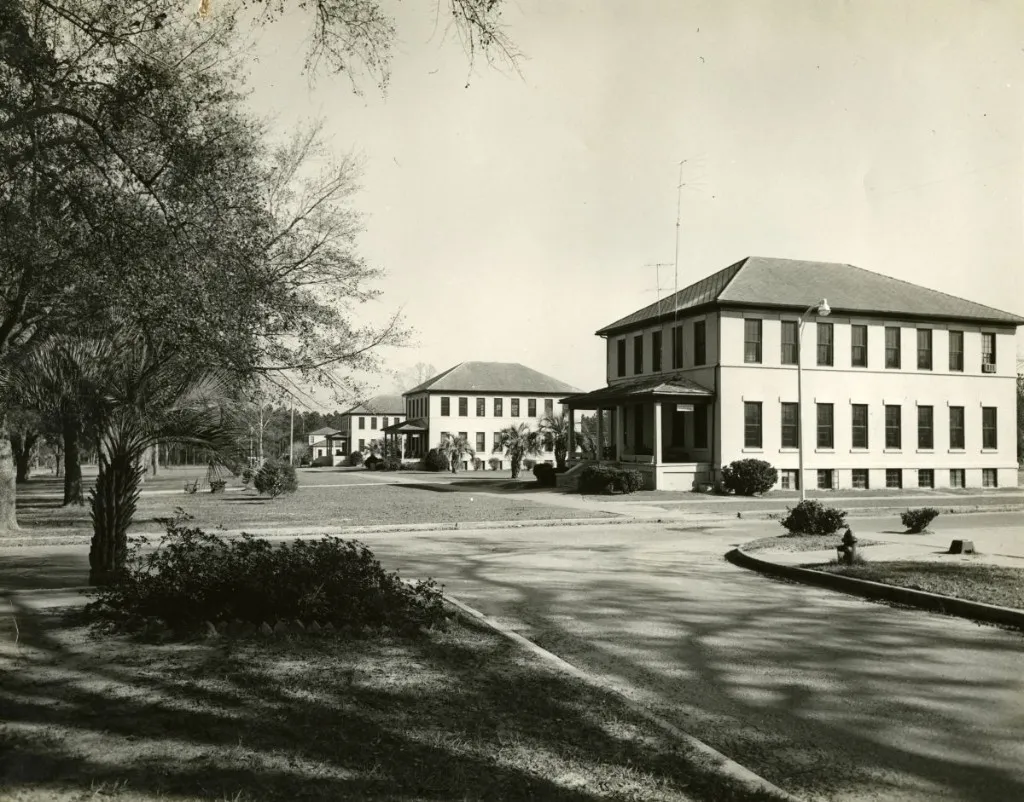
What is Vista Maria?
Found hell instead.
It began with a promise ↓
01
The story the public was given
Vista Maria began with a promise.
In 1883, the Sisters of the Good Shepherd came to Detroit to care for girls with nowhere else to go. The mission became a residential treatment center on West Warren. In 1942, a new name:
Vista Maria.
A refuge.
A school.
A place meant to protect girls who had already been hurt.
That is the story the public was given.
02
What was promised vs. what happened
a place of suffering.
Girls arrived through courts, foster care, juvenile justice, and Michigan's child-welfare system — many already carrying trauma.
But once we were inside, our lives were scarred forever.
They called it treatment.
We lived with constant Torture.
Beatings, being pinned down, violent restraints, bruising.
Days or weeks isolated, bathroom and food deprivation.
Powerful injections, being heavily sedated, dismissing health complaints.
Molestation, grooming, sexual abuse and rape.
Threatened. Humiliated. Blamed. Made to live in fear.
Pressured to use drugs and drink alcohol
It became something we had to survive.
03
How did they silence us?
things got worse.
We complained
→
We were dismissed
Health and mental-health complaints were mocked and ignored.
We resisted
→
We were restrained
Physical violence became a response to any form of defiance.
We spoke
→
We feared retaliation
Threats, weeks of isolation, being singled out, psychological manipulation.
We reported
→
We got labeled
Characterized as a difficult, troubled or a manipulative child.
Eventually, some of us learned to stop talking.
06
How Voices Unmuted VM was born
The same story.
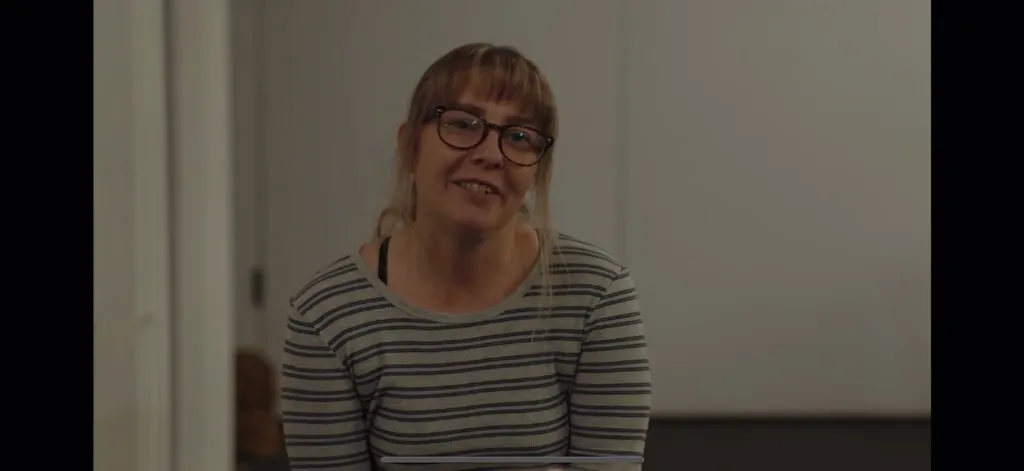
For years, we believed what happened to us was ours alone.
Then one woman spoke.
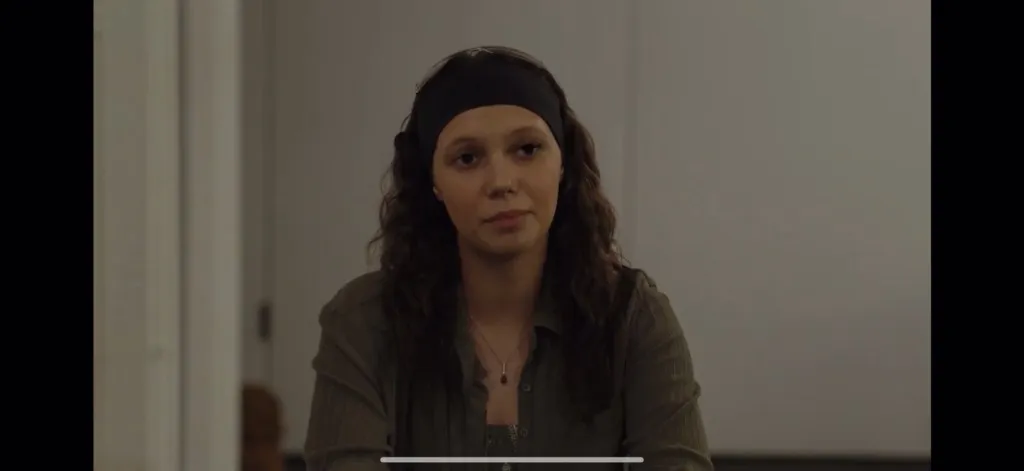
Another recognized her story.
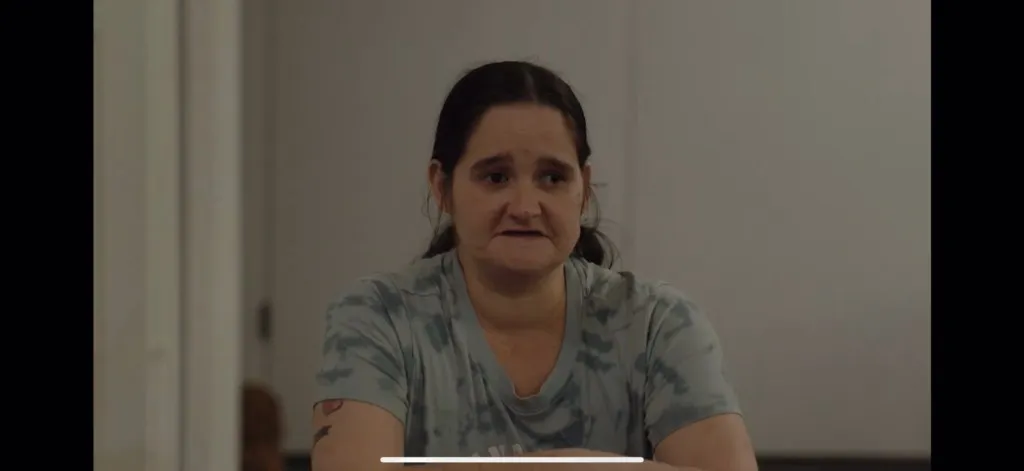
Then another.
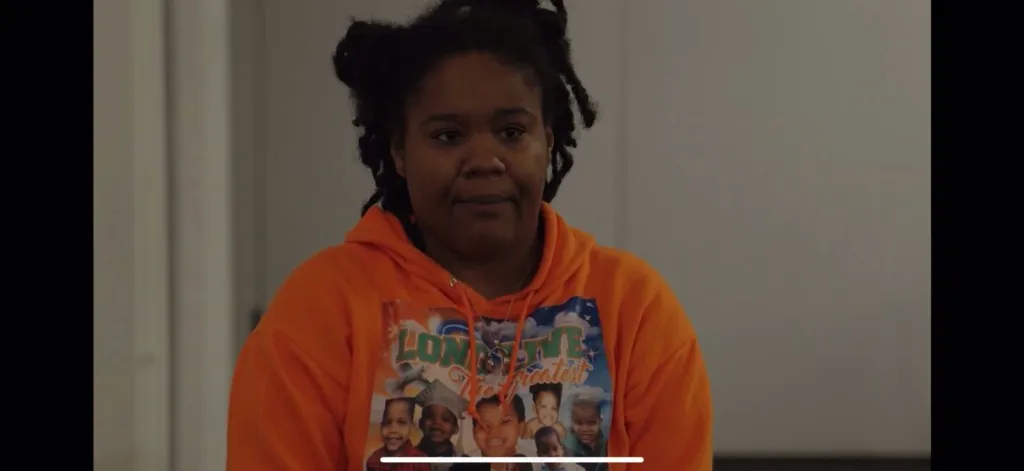
Then another.
Women who lived at Vista Maria years — decades — apart heard experiences that sounded painfully familiar. The isolation started breaking.
“No one believed us.”
became:
“I believe you. It happened to me too.”
And once the voices came together,
Voices Unmuted VM was born.
07
Voices Unmuted in action
Vista Maria did not.
In 2025, after scrutiny, testimony, investigations, and violations, Vista Maria ended its residential program in December — after nearly 50 years. Girls were transferred elsewhere.
But Vista Maria itself did not close.
Other programs continue. Closing one program does not close the story.
Buildings can change.
Programs can end.
Employees can leave.
Organizations can move forward.
Trauma does not disappear with them.
Neither do the questions of what happened, who knew, and who should be held accountable.
08
Our next challenge
The law is failing us now.
The State knew we were there.
It licensed the facility. Courts and agencies sent girls there. Complaints, investigations, and violations followed — yet generations tell disturbingly similar stories.
How did so many systems responsible for protecting us fail us?
And now, when some of us are finally ready to seek justice, we face another locked door:
The Statute of Limitations.
Michigan law can block childhood sexual-abuse survivors from filing a civil suit after age 28.
The system failed to protect us then. Don't let the law silence us now.
Vista Maria was not hidden from the world.
A school. A church. A facility. A team. A camp. A dorm.
Places built on trust can become places where children are harmed — and institutions protect themselves first. This is not someone else's story. Once you know what silence protects, staying quiet is a choice.
Change the law.
And sign the petition.
Give survivors a platform where their voices cannot be ignored.
Expose alleged abuse, institutional failures, and concealment through public records, evidence, and court proceedings.
Educate the public about the lifelong impact of childhood sexual abuse and help prevent future harm.
Build support for reforming Michigan’s civil statute of limitations so more survivors can seek justice.