Voices that were never meant to be quiet.
Survivors speaking in their own words — and the plain-language understanding that makes those words impossible to dismiss.
By the numbers
Why disclosure takes so long.
20+ YEARS
Average delay before survivors disclose childhood sexual abuse.
90%
Abused children knew and trusted their abuser.
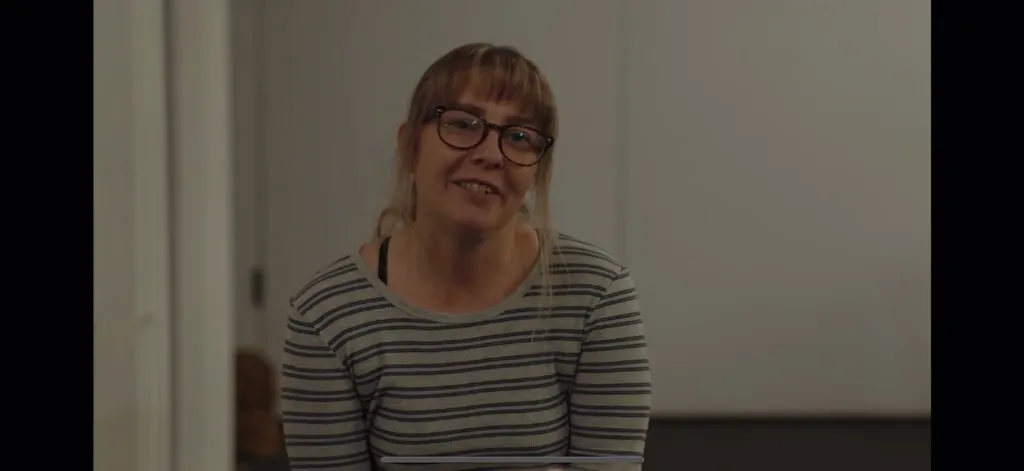
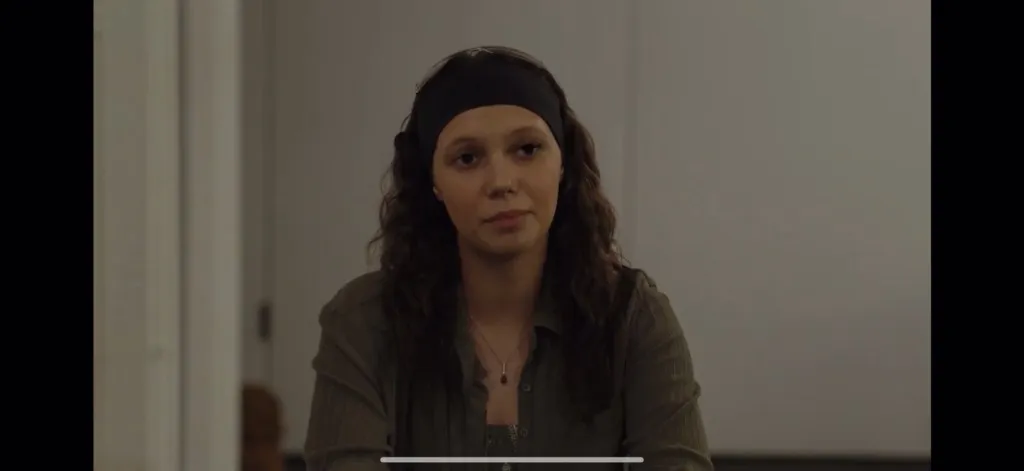
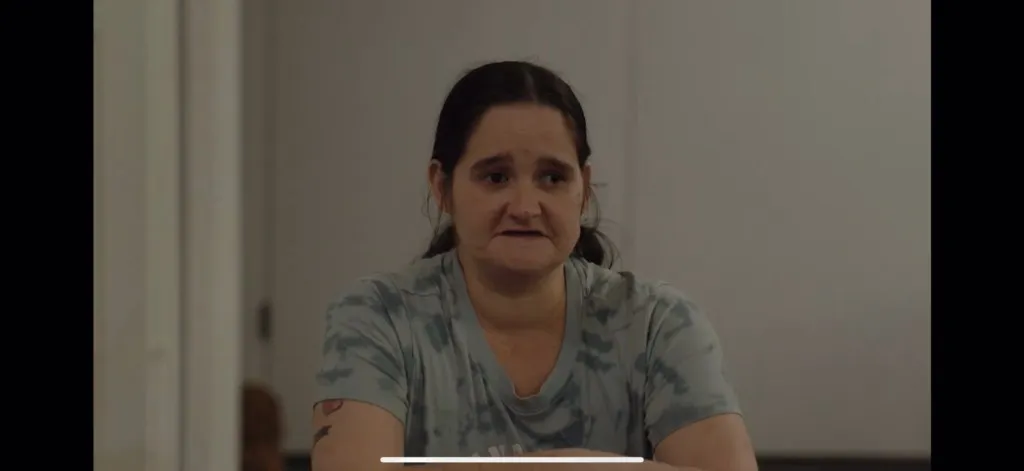
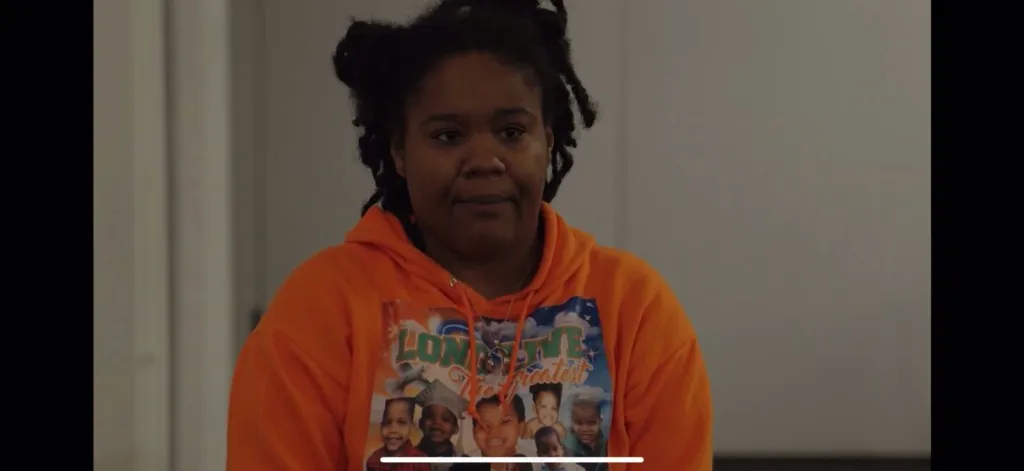
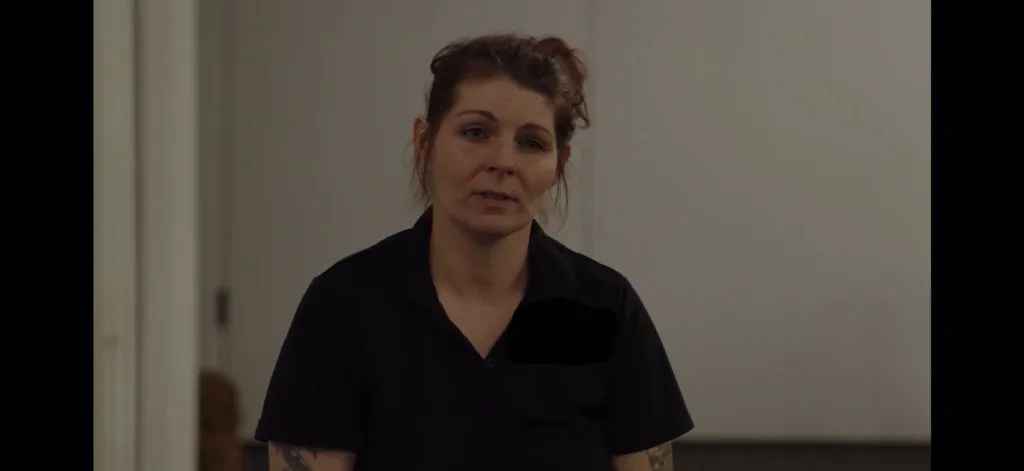
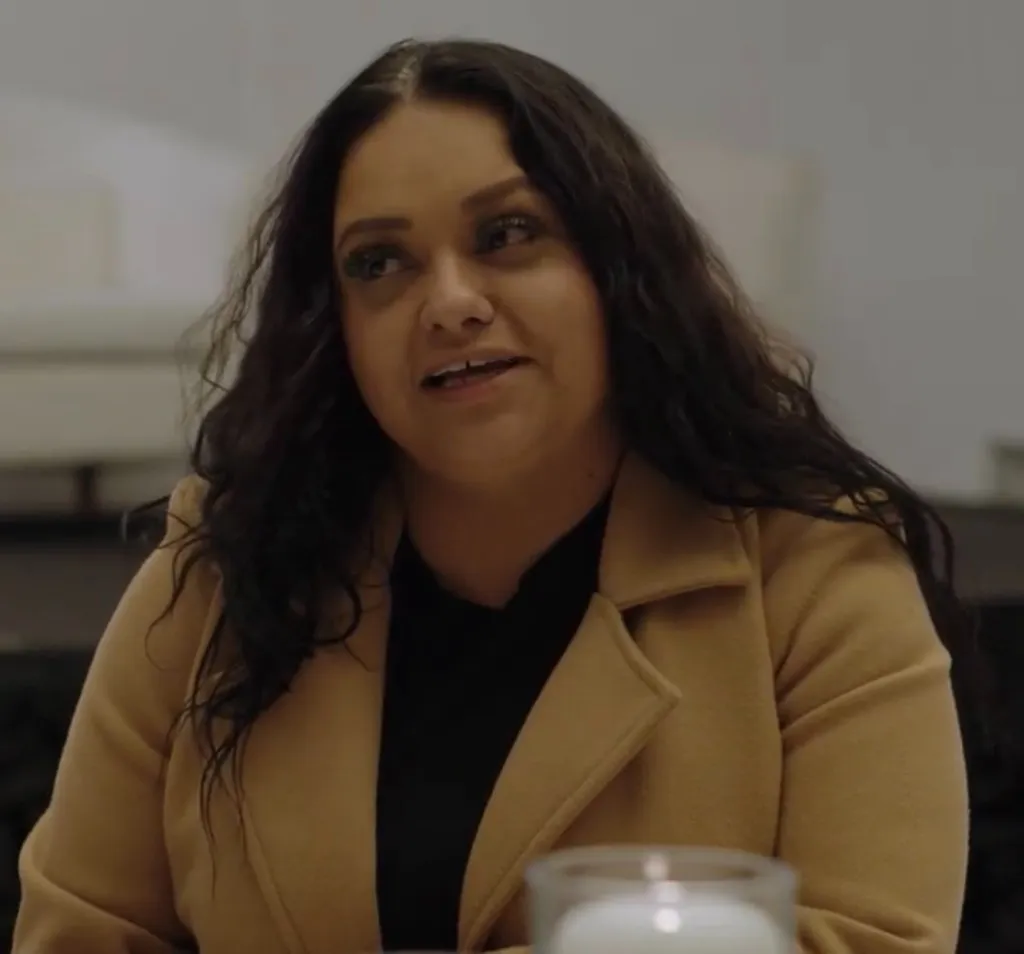
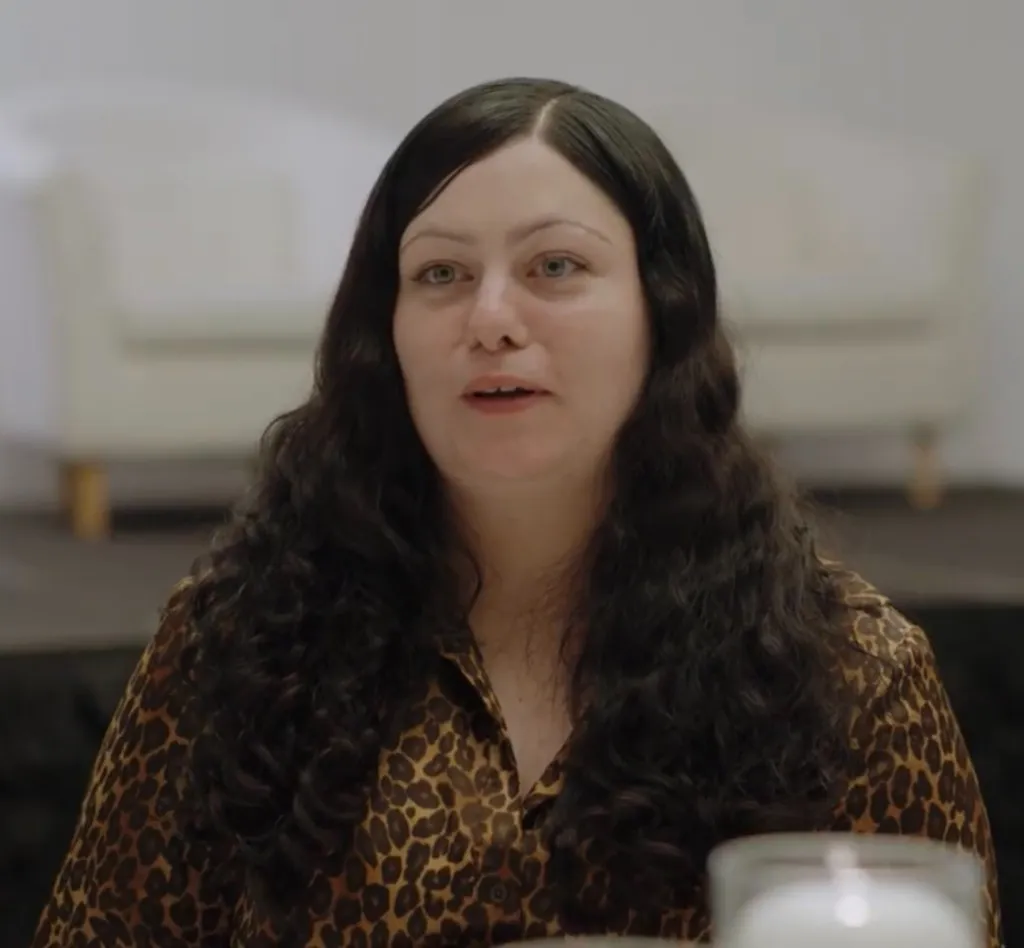
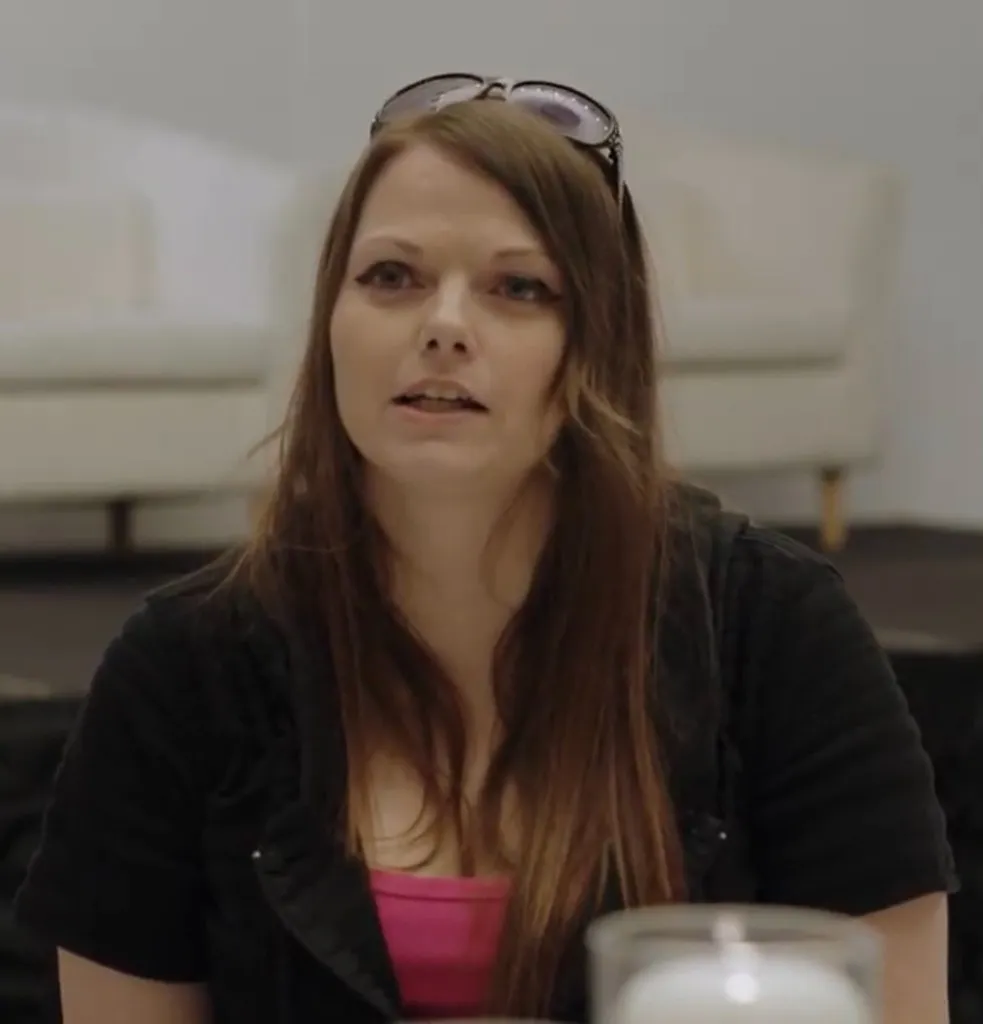
Survivor Stories
SURVIVORS TESTIMONIES
A definition, in plain language.
Child sexual abuse is any sexual activity with a minor.
Includes contact acts (touching) and non-contact acts (exposure, showing pornography, producing images)
A child cannot legally consent
Coercion, force, or grooming is not required for an act to be abuse
What adults can watch for.
No single sign proves abuse — but patterns and sudden changes deserve a caring, curious response.
Silence is a symptom, not proof of doubt.
Children — and adult survivors — commonly stay silent for reasons that have nothing to do with whether the abuse occurred:
Abuse does not end when the abuse ends.
Survivors carry impacts across emotional, psychological, and physical dimensions — often for decades.
Complex PTSD, depression, anxiety, and dissociation
Chronic health issues
Difficulty with trust and intimacy
Higher risks of substance use and suicidality
Healing is possible, and it is rarely linear.
What we get wrong — and what's true.
If it really happened, they would have told someone right away.
→
Most survivors wait years — often decades — before disclosing. Delay is the norm, not the exception.
Children make things up about abuse.
→
False allegations by children are extremely rare. Research consistently finds disclosure is far more likely to be true than fabricated.
It's usually a stranger.
→
Roughly 90% of children who are abused are abused by someone they know and trust.
Boys aren't really affected the same way.
→
Boys experience abuse in significant numbers and face the same lifelong effects. Cultural silence makes them disclose even less often.
Support exists — and it works.
Several forms of support help survivors heal:
Trauma-informed therapy (EMDR, CPT, somatic approaches)
Peer support groups
Survivor-led communities
See our Resources page →